The Bronze Age Collapse

One hundred and fifty feet beneath the waves off Turkey's coast, divers found a ship that sank around 1320 BC. In the hold of the Uluburun wreck sat ten tons of copper and one ton of tin — metals from lands hundreds of miles apart, enough, melted together, to arm a small army in bronze. One ship carried the whole Bronze Age system in its belly.

Key Terms

Alloy
A metal made by mixing two or more metals together to make something stronger than either one alone.
Systems collapse
When many troubles strike at once and feed one another, until a whole connected world breaks down instead of just one part.
Sea Peoples
The tide of migrating raiders and refugees who attacked the eastern Mediterranean around 1200 BC.
Bloomery
The clay furnace early smiths used to make iron, since iron could not be fully melted like bronze.
Iron Age
The age that followed the Bronze Age, when iron — found nearly everywhere — replaced bronze as the main metal.
Uluburun
The wreck 150 feet down: ten tons of copper, one ton of tin — a connected world in one hold, c. 1320 BC.
Cyprus
The island whose mines supplied the Bronze Age’s common metal.
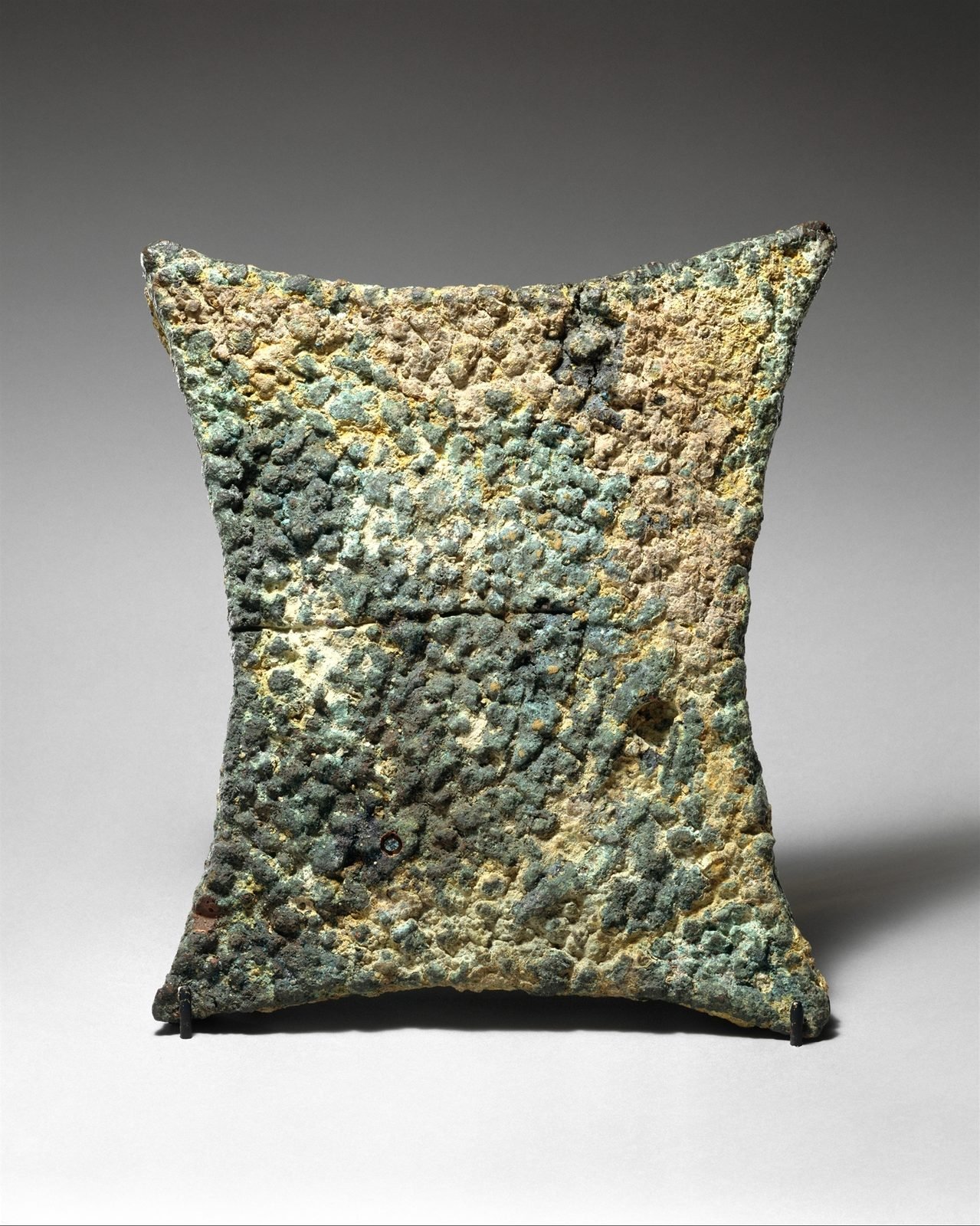
Oxhide ingots
Copper cast in the shape of a stretched hide for trade.
Kadesh
1274 BC: the largest chariot battle ever fought — the empires at their height.
Drought
Pollen trapped in ancient mud shows it holding over the eastern Mediterranean for nearly three hundred years.
Salt
Left behind by sun-dried river water, it crept across Mesopotamia’s fields until harvests fell by two-thirds.
Deir el-Medina
The village of the royal tomb-carvers — site of the first work stoppage in recorded history, c. 1157 BC.
Ramesses III
Beat the invaders back in the Nile Delta, c. 1190 BC — and Egypt was drained dry by the wars.
Ugarit
One of the wealthiest trading hubs in the world — burned c. 1185 BC and never rebuilt.
Ammurapi
Ugarit’s last king; his frantic final letters were later dug from the ashes.
Hittites
The overlords whose command pulled Ugarit’s army and navy away from its own gate.
Dark age
The four-hundred-year silence Greece sank into when the palaces burned and the writing was forgotten.
Hekla
The Icelandic volcano whose ash dimmed the sun; tree rings show nearly eighteen years of stunted growth.
Earthquake storms
Clusters of great quakes over many years that toppled stone palaces before any enemy arrived.
Steel
Iron baked in glowing charcoal until its skin soaked up carbon — a tough core and a deadly edge.

From the Lesson 6 Visual Atlas
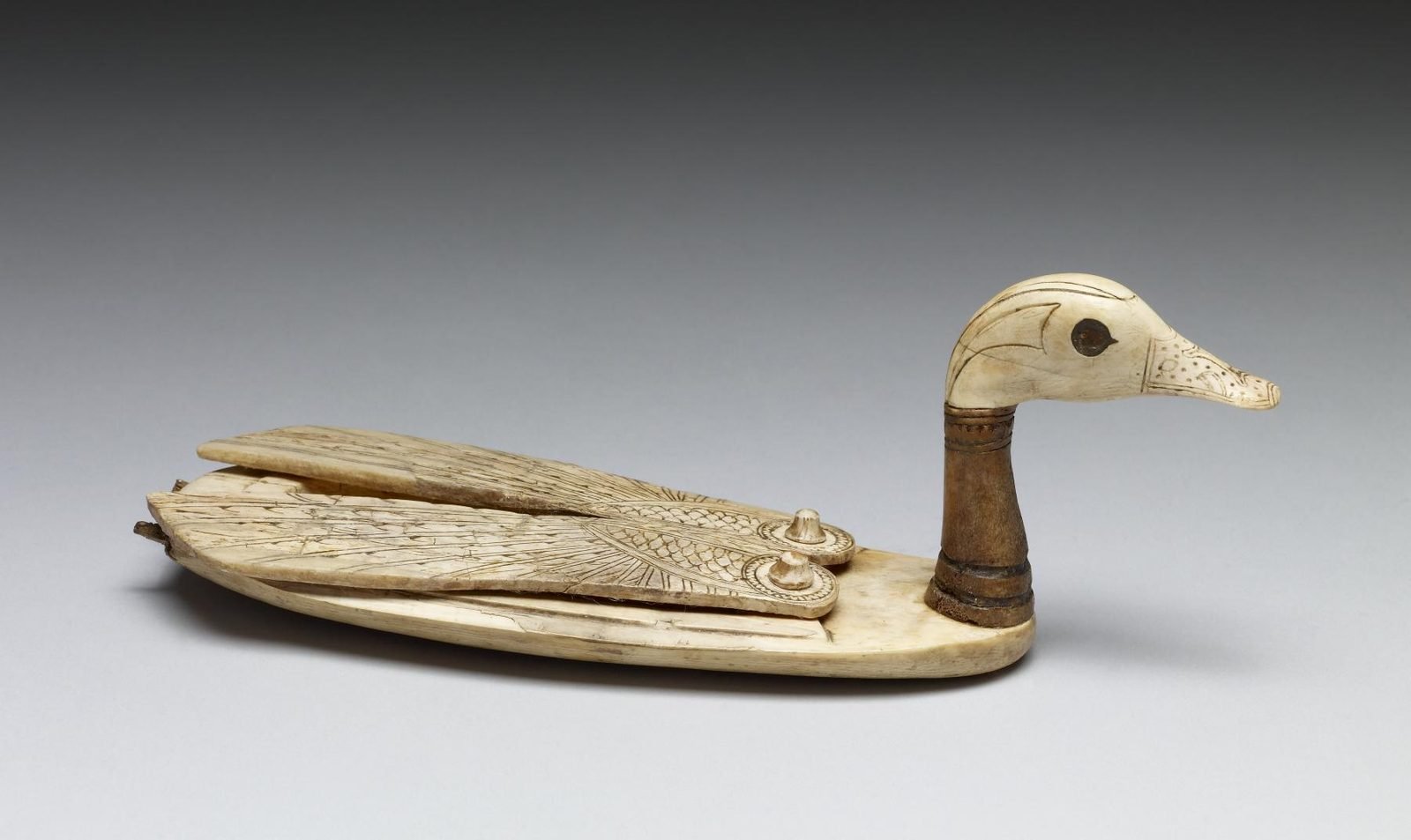
A small Egyptian box carved from ivory in the shape of a swimming duck; the wings lift off to hold cosmetics. The Uluburun cargo held two duck-shaped ivory boxes like this one, along with hippopotamus teeth, elephant tusks, and logs of African blackwood.
c. 1400–1200 BCA small Egyptian box carved from ivory in the shape of a swimming duck; the wings lift off to hold cosmetics. The Uluburun cargo held two duck-shaped ivory boxes like this one, along with hippopotamus teeth, elephant tusks, and logs of African blackwood.
Copper cast in the shape of a stretched animal hide, with four corners a porter could grip. Ingots of this shape crossed the whole Bronze Age sea. The Uluburun hold carried 354 of them — ten tons of copper, about the weight of an empty school bus.
c. 1400–1200 BCCopper cast in the shape of a stretched animal hide, with four corners a porter could grip. Ingots of this shape crossed the whole Bronze Age sea. The Uluburun hold carried 354 of them — ten tons of copper, about the weight of an empty school bus.
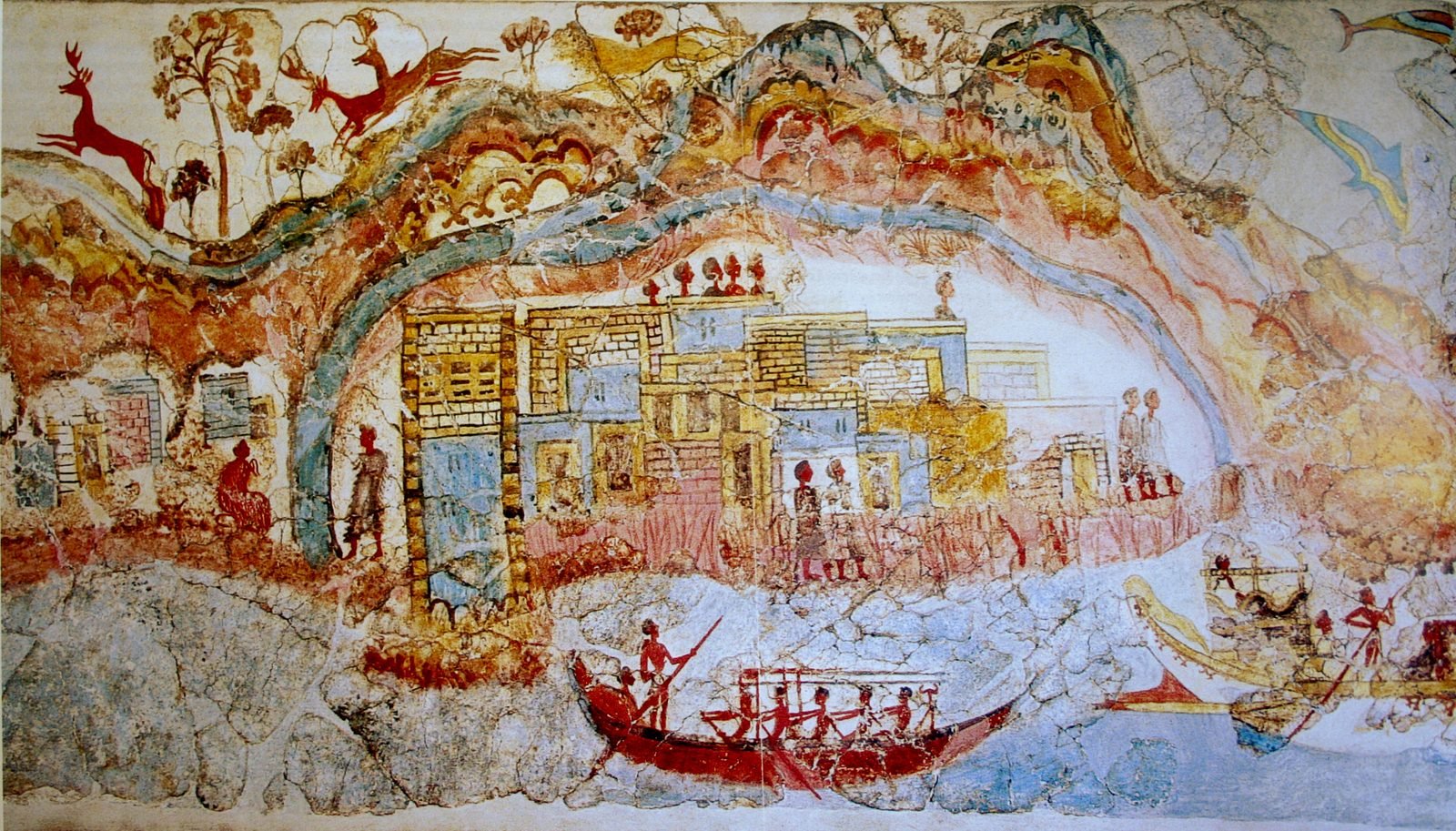
A wall painting from Akrotiri on the island of Thera, buried by a volcanic eruption about 1600 BC and dug out nearly intact. Rowed ships with high sterns leave one harbor town for another. This is what a Bronze Age trading ship looked like under way — the kind of vessel that sank at Uluburun three centuries later.
c. 1650–1500 BCA wall painting from Akrotiri on the island of Thera, buried by a volcanic eruption about 1600 BC and dug out nearly intact. Rowed ships with high sterns leave one harbor town for another. This is what a Bronze Age trading ship looked like under way — the kind of vessel that sank at Uluburun three centuries later.
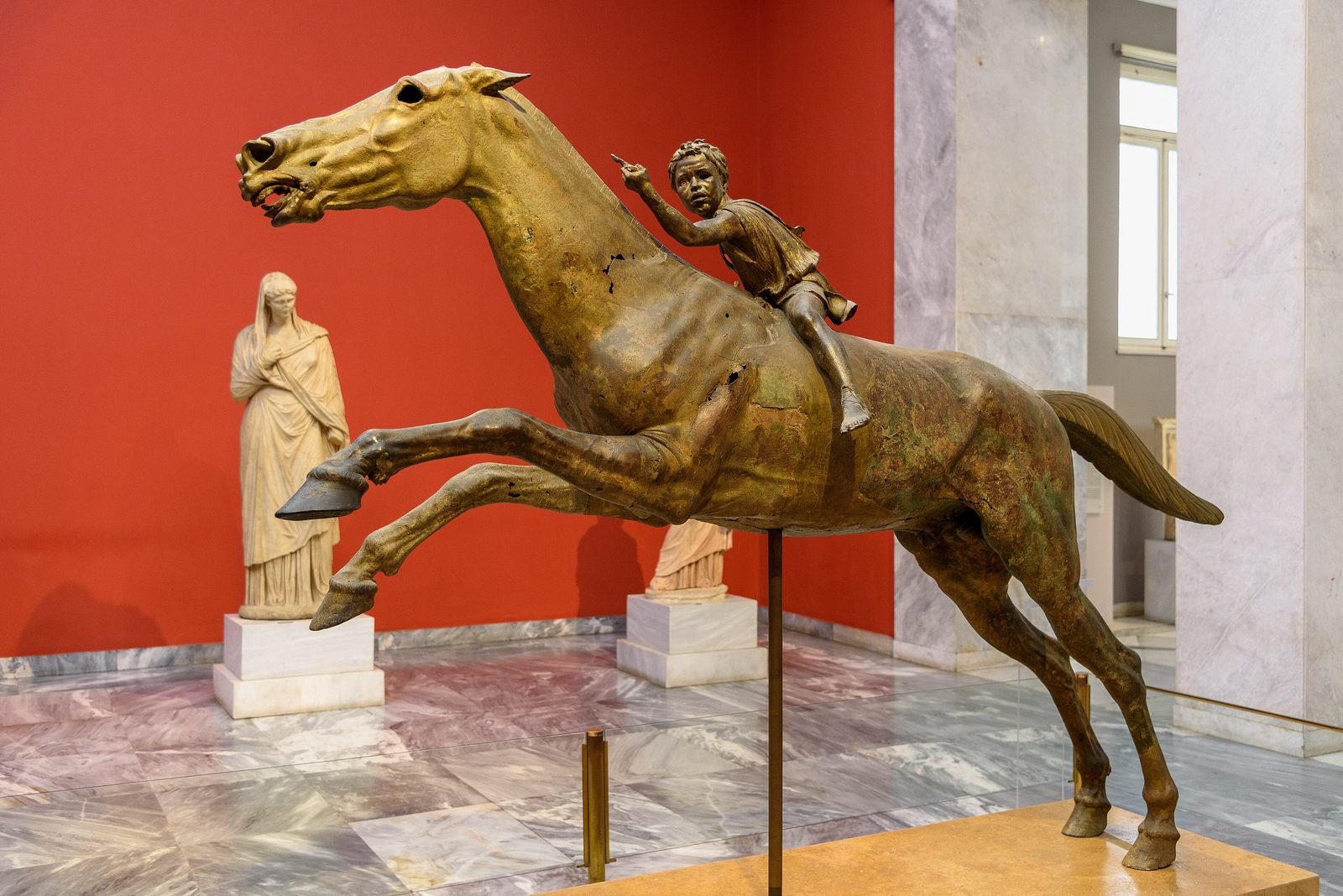
A bronze boy on a galloping horse, pulled out of a shipwreck off Cape Artemision, Greece, and made about 150 BC. When I visit the National Archaeological Museum in Athens, one of the biggest crowds in the museum is gathered around this statue. What makes this discovery so crowd-pleasing, and what more can we learn from shipwrecks? In this lesson the best shipwreck to look at is one nearing the end of the Bronze Age, filled with the basics — which seem boring beside this racing jockey. But the Uluburun shipwreck is legendary in a different way.
c. 150 BCA bronze boy on a galloping horse, pulled out of a shipwreck off Cape Artemision, Greece, and made about 150 BC. When I visit the National Archaeological Museum in Athens, one of the biggest crowds in the museum is gathered around this statue. What makes this discovery so crowd-pleasing, and what more can we learn from shipwrecks? In this lesson the best shipwreck to look at is one nearing the end of the Bronze Age, filled with the basics — which seem boring beside this racing jockey. But the Uluburun shipwreck is legendary in a different way.